
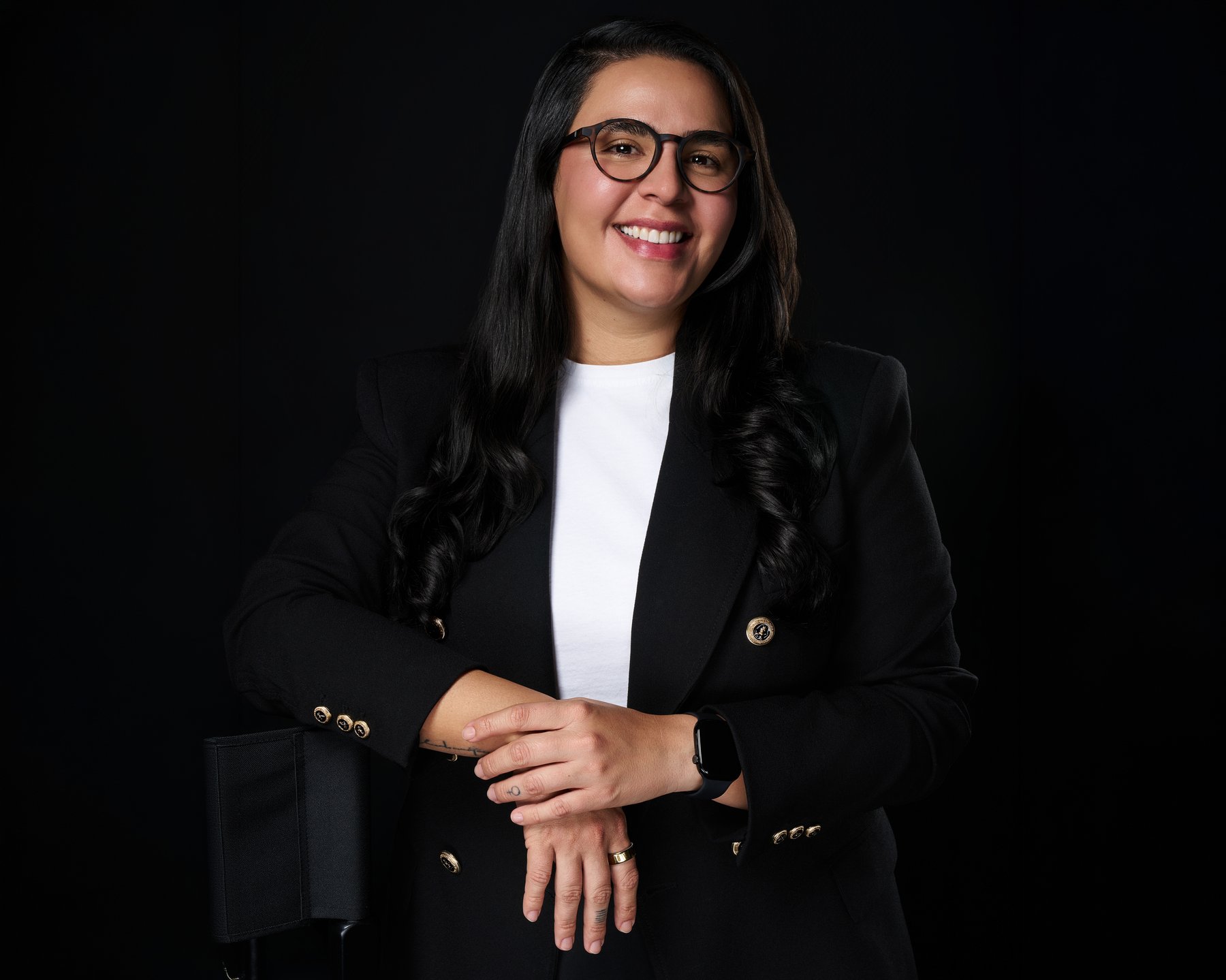
The one image of you on the internet gets seen more often than your face does. It shows up on a phone screen while someone is deciding whether to return your call. It sits next to your name on a panel listing. It anchors the top of a firm bio someone reads before they sign the engagement letter. And it keeps working, quietly, every hour of the day, for years.
A good headshot is not vanity. It is infrastructure. It is the only part of your professional presence that a stranger will look at before they decide whether to keep reading.
The work your headshot is actually doing.
Most people think of a headshot as a picture. It is not. It is a decision being handed to a stranger, on your behalf, while you are not in the room. The decision is usually small. Do I open this email. Do I click through to this profile. Do I book this call. Do I trust this quote.
Those decisions compound. A better image at the top of a LinkedIn profile raises the reply rate on cold outreach. A casting-standard portrait in an agent's submission packet raises the callback rate for an actor. A considered firm bio photo raises the close rate on a first consult for a lawyer. None of these are large jumps in isolation. Over a year, they are the difference between a quiet pipeline and a busy one.
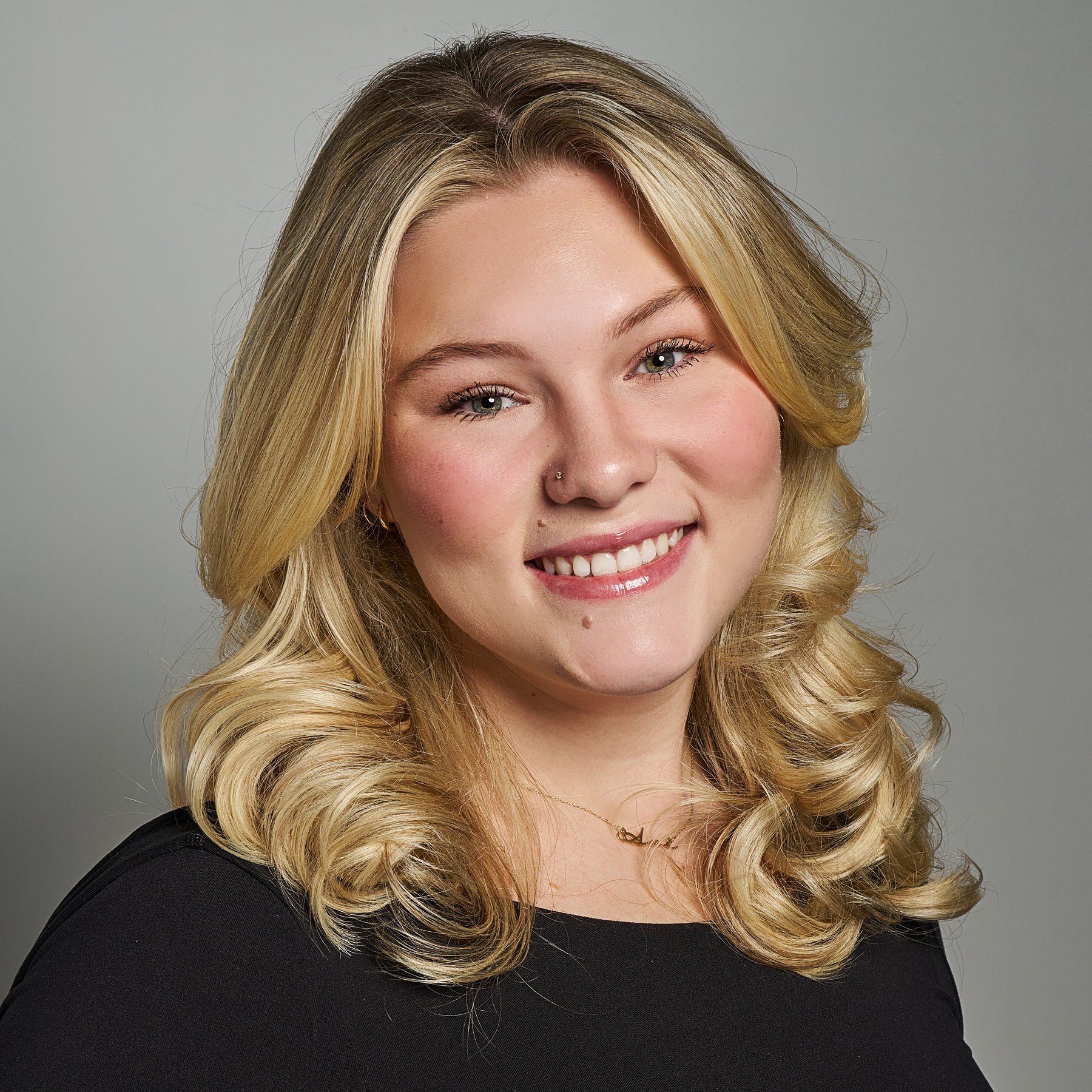
What separates a working headshot from a picture of you.
A few things, and they are not the things most people worry about.
It is made for the surface it will live on.
A LinkedIn thumbnail is 128 pixels across. A casting submission gets cropped to a 4:5 frame and compressed. A press photo gets printed at 300 dpi. A portrait that reads beautifully on a retouched full-size file can fall apart in the compressed, tiny version that actually gets seen. The job of the session is to make an image that survives the trip.
It is directed.
Most people look stiff in front of a camera because they have been left to perform. A directed session removes that job. The photographer is calling the expression, the posture, the angle, the distance from the lens. You are not being asked to be a model. You are being asked to be a specific, recognizable version of yourself.
It is reviewed while the light is still up.
A screen next to the set lets you and the photographer see the frame exactly as it will ship. Not the back of a camera. An actual calibrated screen. If the expression is wrong, if the wardrobe is pulling, if the angle is adding years, you catch it before the session ends, not after.
It does not chase a trend.
Styles in portraiture move in cycles. Hard contrast is in, then soft light is in. Wide crops give way to tight ones. Color grading shifts warm, then cool. A working headshot stays close to the center of these swings. The goal is an image that will still read as current three years from now, not one that wins the week it is taken.
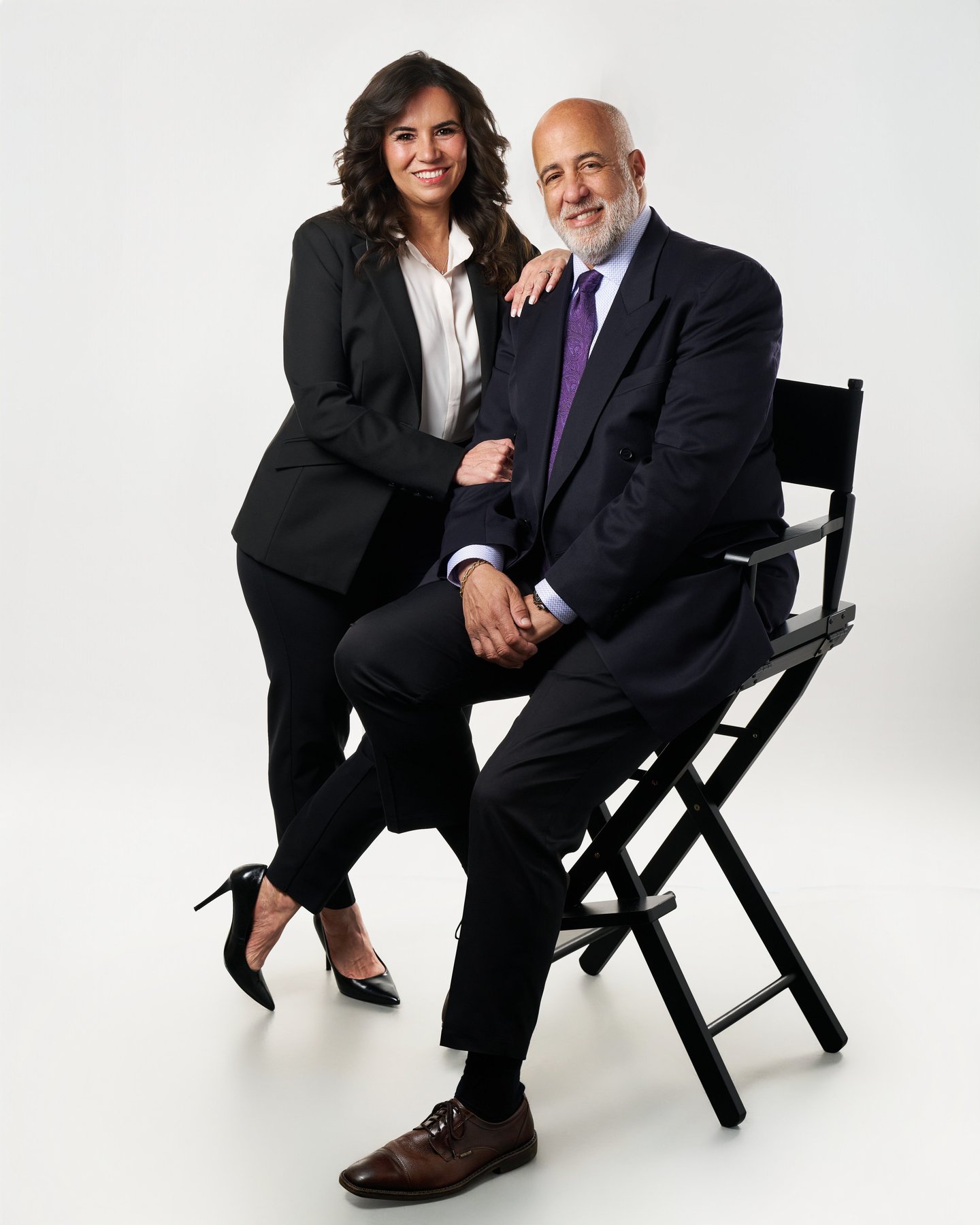
Why the stakes are higher than they used to be.
Your headshot used to sit on a business card and the back page of a brochure. Now it sits everywhere at once. Your email signature. Your Slack avatar. The panel graphic at the conference you are speaking at. The byline photo on the article your firm just published. The picture on the podcast listing.
Every one of those surfaces is a moment where a decision is being made. A good image does the right thing at every one of them. A bad image, or a dated one, or one that does not match the level of work you do, costs you a small fraction of the decisions at every touch point. You rarely notice, because the decisions you lose are the ones you never hear about.
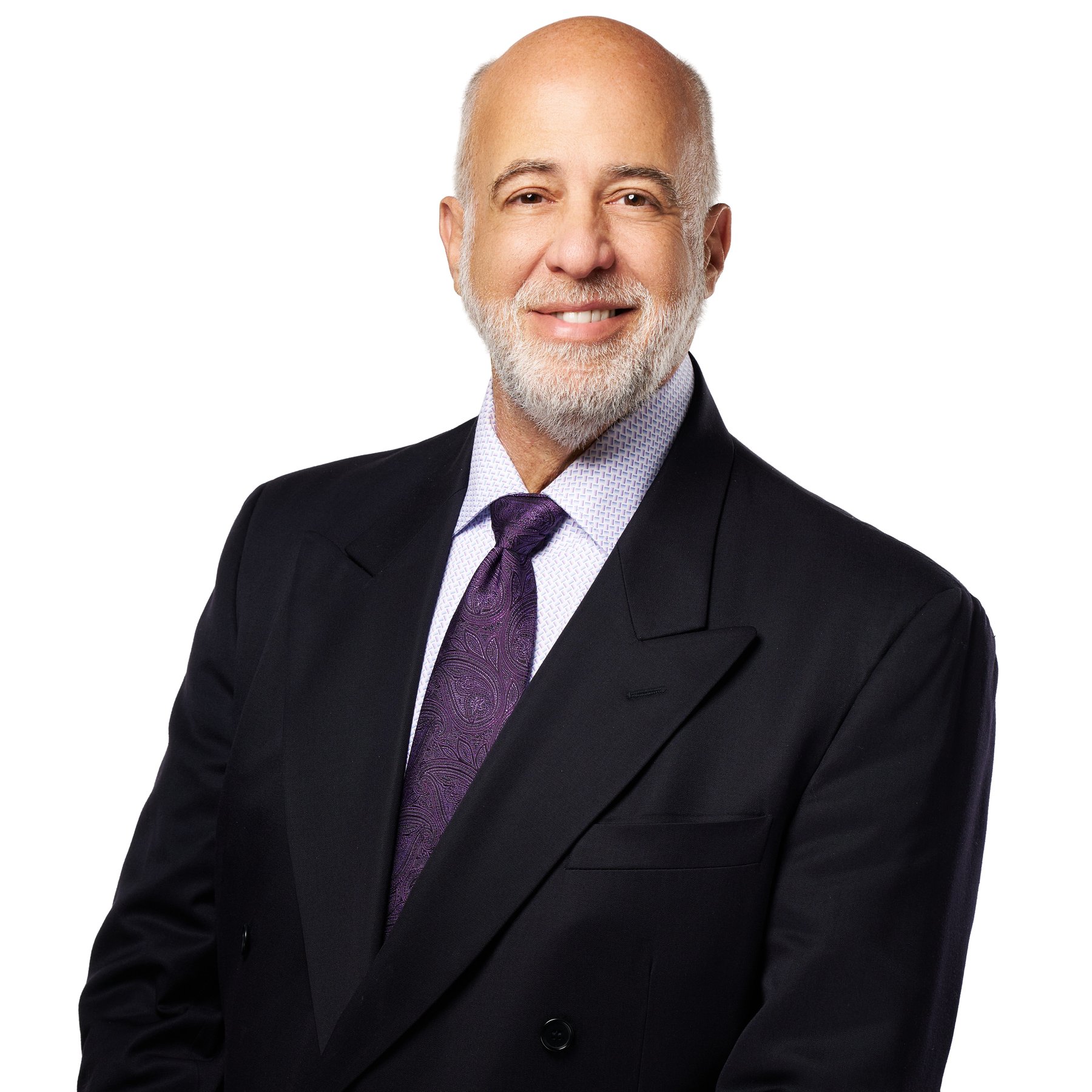
The cost of doing it casually.
A phone selfie in a bathroom mirror works for a personal profile. It does not work for the person whose face is the first thing on a listing. Neither does the group photo cropped to a single head. Neither does the old wedding portrait. Neither does the professionally shot photo from six years ago.
We see the same pattern on every first call. A professional who is operating at a high level, charging rates that reflect that level, with a headshot that quietly tells a different story at the top of every inbox. The gap between the work and the image costs more than the session would.
What a session gets you, in plain terms.
An hour in a quiet studio. A photographer who directs. A calibrated screen for live review. A set of images that have been considered, not just captured. Retouching that keeps you looking like yourself, not like a stock image. Final files that are ready for the surfaces they are going to sit on, delivered within a week.
Out the other end, you get one thing. An image of you that does its job, anywhere you need to put it, for the next several years. That is all it is supposed to do. That is enough.
Ready to sit for a session? Pick the one that fits the job your image has to do →